Cute Bunny and Butterfly Embroidery Review
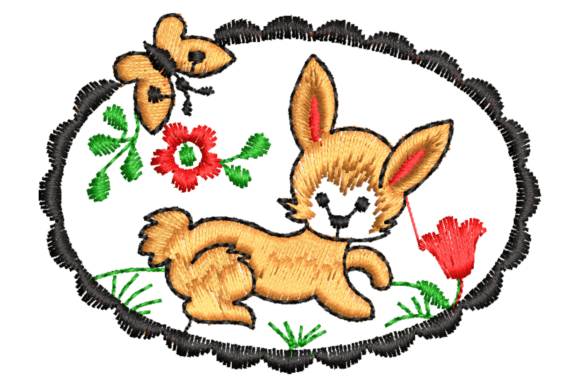
As a designer who spends countless hours evaluating machine embroidery design assets for both personal projects and client work, I approach every new file with a critical eye. The market is flooded with generic patterns, but occasionally, a design arrives that genuinely captures a specific mood. That is exactly what happened when I opened the file for Cute Bunny and Butterfly Embroidery. At first glance, it presents a soft, storybook-style scene where a bunny gently interacts with a delicate butterfly. It immediately evokes a calm, heartwarming feeling, which is precisely the kind of emotional resonance we look for in high-quality embroidery for baby items or boutique merchandise.
First Impressions: Mood and Visual Personality
The visual personality of this design is distinct. Unlike many Animals themed files that rely on bold outlines or aggressive colors, this piece leans into softness. The interaction between the two creatures feels organic rather than staged. When reviewing the digital preview, the layout suggests a balanced composition that would translate well into a variety of formats. The detail level is moderate; it isn't so intricate that it risks thread breaks on older machines, yet it retains enough definition to look professional on a finished product.
This type of aesthetic is perfect for the current trend of "gentle parenting" decor and soft goods. For an Etsy seller or a small shop owner looking to expand their nursery collection, this design offers immediate appeal. It doesn't scream for attention; instead, it invites a closer look, which is often what drives customer trust and engagement in handmade markets.
Real-World Application: From File to Fabric
To truly understand the value of Cute Bunny and Butterfly Embroidery, I imagined putting it through a real-life production scenario. Let's say I am preparing a custom embroidered tote bag for a local craft fair. Tote bags are a staple for any craft business, but they require designs that hold up against frequent handling and washing. The soft curves of the bunny and the wings of the butterfly suggest that the stitch path will be smooth, likely utilizing a mix of fill stitch for the body and perhaps some delicate satin stitch for the outline details.
In this context, the design shines. Placed on a natural canvas tote, the whimsical nature of the scene elevates a basic utility item into a personalized gift. Imagine a mother buying this as a springtime present; the image of the bunny and butterfly creates a narrative that resonates with buyers looking for something more meaningful than a standard logo print. Similarly, if I were applying this to a sweatshirt embroidery project, perhaps on the back of a cozy fleece pullover for a child, the design would act as a focal point without overwhelming the garment.
For those selling digital embroidery file assets or creating printable mockups to showcase potential products, this design works exceptionally well. The clean lines make it easy to visualize on different backgrounds, from light pastels to darker, muted tones. However, visualization is only half the battle; the actual stitching performance is where the rubber meets the road.
Navigating Technical Challenges and Fabric Choices
While the design is versatile, experienced decorators know that no single embroidery project is one-size-fits-all. There are specific scenarios where Cute Bunny and Butterfly Embroidery requires careful handling. If you plan to use this on textured fabrics like heavy denim or thick wool, the fine details of the butterfly wings might get lost in the weave. In such cases, adjusting the stitch density or choosing a larger hoop size becomes crucial to ensure clarity.
Stretchy fabrics present another challenge. On a knit baby embroidery item, such as a onesie, the tension of the machine can distort the delicate shapes if not managed correctly. Using a tear-away or cut-away stabilizer appropriate for knits is non-negotiable here. Without proper stabilization, the bunny's ears or the butterfly's antennae could pucker, ruining the professional finish of your handmade product.
Furthermore, consider the scale. While the design looks great at its default size, shrinking it too much for a small cap or a tiny patch can cause issues with thread breaks and loss of detail. The running stitch elements used for finer details may become indistinguishable if scaled down below a certain threshold. Always test the design on scrap fabric first to confirm the minimum viable size for your specific machine.
Color Theory and Thread Selection
The success of this design also hinges on thread colors. The description mentions a "soft" feeling, which implies a palette of pastels or earth tones. However, using these light colors on a dark background requires a significant amount of underlay to prevent the fabric color from showing through. Conversely, on a white or cream background, the contrast will be naturally higher, allowing for more subtle shading. As a designer, I always recommend testing the design in black and white mockups before committing to expensive threads. This helps verify that the shapes remain distinct regardless of the color scheme.
Commercial Viability and Brand Consistency
For small business owners and creative entrepreneurs, consistency is key. Cute Bunny and Butterfly Embroidery fits seamlessly into brands that focus on childhood, nature, and gentle aesthetics. Whether you are creating a line of holiday embroidery gifts, personalized aprons, or decorative pillow covers, this asset maintains a cohesive look. It adds a layer of professionalism that separates a hobbyist's work from a curated boutique collection.
However, before integrating this into your commercial lineup, you must confirm the licensing terms. Many commercial embroidery designs have restrictions on the number of finished items you can sell or whether you can resell the digital file itself. Ensure you have the rights to use this embroidered patch design for unlimited sales if that is your business model. Ignoring these details can lead to legal issues that jeopardize your entire shop.
Final Designer Notes and Recommendations
Before you finalize your order or start stitching, take a moment to review the technical specs. Check the hoop size requirements to ensure it fits your machine's capabilities. Inspect the small details in the software to see if any areas need manual adjustment for better flow. Compare how the design looks on light versus dark fabric backgrounds to determine the best stabilizer strategy.
In conclusion, Cute Bunny and Butterfly Embroidery is a strong contender for anyone looking to add charm and quality to their portfolio. It balances artistic appeal with practical functionality, making it a reliable choice for custom apparel, nursery decor, and gift items. By respecting the technical requirements of the file and selecting the right materials, you can create a finished product that customers will love and cherish. It is a reminder that in the world of Embroidery, the most successful designs are often those that tell a quiet, beautiful story.