Floral Bear: A Designer's Real-World Review
As a designer who has spent years curating assets for both my own craft business and client projects, I approach every new machine embroidery design with a specific set of questions. Does it stitch cleanly? Will it survive the wash cycle? Most importantly, will it elevate a finished product enough to justify the price point on an Etsy listing or a boutique shelf? When I first opened the file for Floral Bear, I wasn't just looking at pixels; I was visualizing how this Woodland Animals theme would translate into thread on fabric.
The First Impression: Mood and Composition
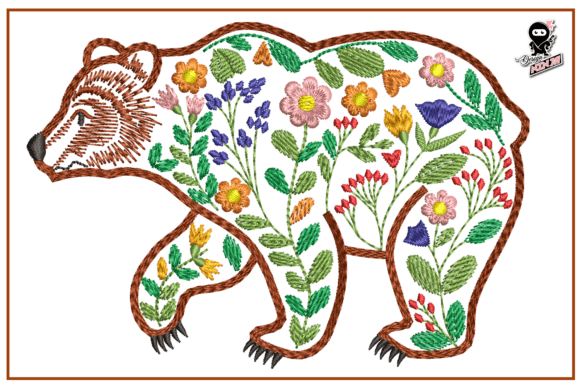
Floral Bear immediately strikes a balance between whimsical and refined. The silhouette is sturdy enough to hold its shape without looking blocky, while the floral elements introduce a softness that prevents the design from feeling too rigid. In the realm of Embroidery, finding a motif that works for both a rugged denim jacket and a delicate baby onesie is rare. This design manages that duality through its layout. The flowers aren't just slapped on; they seem to grow organically around the bear, creating a cohesive visual story.
For a craft business owner, this versatility is gold. It suggests a design asset that can be used across multiple seasons. Imagine using it for spring nursery decor and then reimagining it with autumnal thread colors for fall holiday gifts. The visual personality is warm and inviting, which is exactly what customers look for when purchasing a personalized gift. It feels handmade in spirit, even though it is a digital file ready for production.
Stitching Performance: From File to Fabric
Before committing to a final run, I always test a new embroidery file on scrap fabric. With Floral Bear, the transition from screen to hoop felt promising. The density appears well-calculated. Too often, designs pack so many stitches into small areas that they pucker thin fabrics or cause tension issues. Here, the fill stitch areas are balanced with open spaces, allowing the fabric to breathe. This is crucial for items like tote bag design projects where you want the embroidery to lay flat against the canvas.
I also paid close attention to the use of satin stitch for the outlines and finer details. Satin stitch can be tricky; if the columns are too wide, they collapse. In this design, the satin work looks crisp and defined, suggesting it will render beautifully on medium-weight fabrics. For a custom apparel project, such as a sweatshirt, this clarity ensures the design pops without looking muddy. If you are planning to sell these as small shop products, the quality of the stitching directly impacts customer trust. A clean, professional finish signals that you care about your craft.
Real-Life Application: The Sweatshirt Scenario
Let's walk through a real scenario. You are preparing a batch of organic cotton sweatshirts for an upcoming holiday sale. You need a design that feels cozy but not childish. Floral Bear fits this brief perfectly. Placed on the left chest, it offers a subtle branding element. However, if you scale it up for the back, it becomes a statement piece. The floral accents add a touch of elegance that elevates the garment beyond a standard graphic tee.
Imagine a customer receiving this finished product as a gift. They run their fingers over the texture of the thread. The contrast between the smooth fill of the bear and the raised dimension of the flower petals creates a tactile experience. This sensory detail is what drives repeat buyers. In the world of Etsy sellers and handmade shops, the "feel" of the item is just as important as the look. Floral Bear delivers on both fronts, making it a strong candidate for high-value merchandise.
Navigating Challenges: Where Caution Is Needed
While Floral Bear is robust, no design is universal. As a reviewer, I must highlight where this specific digital embroidery file requires extra attention. If you plan to use this on very stretchy fabrics like jersey knit, the stitch density might pull slightly during wear. Always use a tear-away or cutaway stabilizer appropriate for the fabric weight to prevent distortion.
Additionally, consider the background color. On dark fabrics, the light floral elements will stand out, but you may need to adjust the underlay settings to ensure the colors don't bleed through. Conversely, on white or cream fabrics, the contrast might be softer, requiring a different thread colors palette to maintain visibility. If you are working with textured fabrics like linen or heavy canvas, inspect the smaller details closely. The intricate parts of the flowers could get lost in the weave if the needle isn't sharp or the stabilizer isn't sufficient.
Be cautious with curved surfaces like caps. While the main shape of the bear is adaptable, the sprawling floral elements might require digitization adjustments to fit within a cap hoop without distorting the image. For embroidered patch applications, this design works wonderfully, provided you trim the excess backing carefully to preserve the delicate edges of the petals.
Strategic Use for Designers and Entrepreneurs
For those running a commercial embroidery operation, Floral Bear offers excellent brand consistency potential. Because the style is distinct yet timeless, it can become a signature motif for your line of baby embroidery or home goods. Think of it as part of a larger collection. You could pair it with other woodland themes to create a cohesive look for a nursery set, including pillow covers, blankets, and bibs.
When creating printable mockups for your website, ensure you show the design on various textures. Customers need to see how the design assets translate to real life. A photo of the design on a rough canvas tote tells a different story than one on a smooth pillowcase. By showcasing versatility, you increase buyer engagement and help them visualize the item in their own homes.
Final Checklist Before Production
Before you commit to selling items featuring Floral Bear, run through this practical checklist:
- Test on Scrap Fabric: Always stitch out a sample to check for puckering, skipped stitches, or thread breaks.
- Verify Hoop Size: Ensure your machine's hoop accommodates the full width of the design, especially if scaling up.
- Check Licensing: Confirm whether the license allows you to sell finished physical items or if it is restricted to personal use only.
- Review Thread Contrast: Select thread colors that complement your fabric choice to ensure the details remain visible.
- Inspect Small Details: Zoom in on the floral centers and facial features to ensure they stitch clearly without merging.
In conclusion, Floral Bear is more than just a cute image; it is a functional tool for creators who value quality and aesthetics. Whether you are decorating a kitchen towel for a housewarming or building a line of holiday embroidery gifts, this design brings creativity and professionalism to your work. It respects the craft of Embroidery by prioritizing stitch integrity and visual appeal, making it a reliable addition to any designer's library.