Flower Embroidery Design: A Craft Fair Review
As an experienced embroidery designer who has spent countless weekends setting up booths and navigating the competitive landscape of handmade markets, I know that a single design can make or break a product line. Today, I am reviewing the Flower Embroidery Design, specifically the version featuring Love Hands Line Art. This piece is categorized as a Freebie, which immediately raises questions about its commercial viability, but my initial assessment suggests it holds significant potential for the savvy Etsy seller or boutique maker looking to expand their inventory without breaking the bank.
First Impressions: Aesthetic and Market Fit
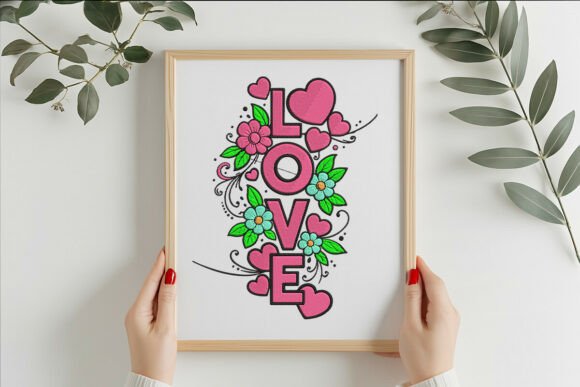
When I first opened the digital file, the visual impact was immediate. The combination of floral elements with line art hands creates a vibe that is simultaneously rustic and modern. It feels less like a traditional, dense Victorian flower and more like a contemporary accent piece. For a craft fair booth, where customers scan tables in seconds, this design stands out because of its clean lines and emotional resonance. It strikes a balance between cute and elegant, making it versatile enough for farmhouse-style decor yet stylish enough for a trendy tote bag collection.
The "Love Hands" motif adds a layer of storytelling that plain flowers often lack. It suggests care, connection, and the human touch behind the creation. In the world of handmade products, that narrative is currency. When a customer sees this machine embroidery design on a finished item, they aren't just buying fabric; they are buying a sentiment. This emotional hook is crucial for increasing buyer engagement at a physical market.
Product Application: Where Does It Shine?
The description notes that this design is perfect for kids' clothing, tote bags, t-shirts, and signs. However, from a production standpoint, not all applications yield equal results. Let's break down where this embroidery file performs best for a small shop product line.
Tote Bags and Market Goods
This is arguably the strongest application for the Flower Embroidery Design. Tote bags offer a large, flat canvas that allows the line art details to remain crisp. When stitched onto a sturdy cotton canvas, the contrast of the thread against the natural fabric color highlights the delicate nature of the hands and petals. As a tote bag design, it transforms a utilitarian item into a statement piece. Customers walking through a craft fair often look for functional gifts, and a well-embroidered tote is a top seller. The design works beautifully as a central focal point or as a smaller accent near the handle attachment.
Kitchen Textiles: Aprons and Tea Towels
For apron embroidery and tea towel embroidery, the linear style of this design is advantageous. Kitchen textiles often suffer from overly busy patterns that get lost in the fray of a kitchen counter. The simplicity of the line art ensures the design remains visible even when the fabric is folded or crumpled. On a tea towel, the texture of the terry cloth can sometimes challenge fine details, so careful attention to stitch density is required here. However, if executed correctly, the result is a charming, high-perceived-value item that fits perfectly into the "farmhouse chic" trend dominating home goods sales.
Patches and Accessories
Creating an embroidered patch from this design is another smart move. Patches allow you to sell a lower-cost entry item that attracts browsers to your booth. Because the design features distinct outlines, it translates well to the cut-and-sew method required for patches. These can be sold individually or attached to denim jackets, caps, and backpacks. The "Love Hands" element makes these patches particularly giftable, appealing to those looking for unique accessories rather than mass-produced stickers.
Production Practicalities for Batch Orders
While the aesthetic appeal is high, the reality of running a booth means we must consider efficiency. Can this design be produced in batches? Yes, but with caveats. The line art nature means there are fewer fill stitches compared to a solid floral design, which generally reduces run time. This speed is vital when preparing inventory for a weekend market.
However, the digital embroidery file requires precision. Line art designs are unforgiving of registration errors. If the machine skips a stitch or the hoop shifts slightly, the continuity of the hand or flower stem is broken. To ensure quality control, I recommend testing the design on scrap fabric before committing to expensive materials. Check the thread colors to ensure they pop against your chosen background. A light grey thread on white linen might look sophisticated online but disappear under harsh market lighting.
Another critical factor is the hoop size. Ensure your hoop accommodates the full width of the design plus adequate margin for stabilization. Using the wrong stabilizer can lead to puckering, especially on stretchy fabrics like t-shirts or knit apron straps. For textured towels, a tear-away stabilizer might be necessary to prevent the threads from sinking too deeply into the loops.
Visual Appeal and Brand Consistency
For an Etsy seller or digital seller, how this design photographs is paramount. The clean lines of the Flower Embroidery Design photograph exceptionally well. Unlike dense satin stitches that can reflect light and create glare, the line art offers a matte, soft finish that looks premium in printable mockup images and real-life photos. This consistency helps build a cohesive brand identity. If your shop focuses on gentle, handcrafted aesthetics, this design reinforces that message.
In a physical booth display, the design acts as a visual anchor. Imagine a table draped in neutral linens, displaying pillow covers, pouches, and caps, all unified by this specific motif. The repetition creates a professional look that signals quality to the passerby. It elevates the perceived value of the finished product, allowing you to command a higher price point than generic items.
Designer Notes and Careful Use
Before you rush to produce this as a craft fair product, keep these warnings in mind. First, avoid using this design on very dark fabrics without significant adjustments. The line art relies on visibility; on black or navy, you may need to add a backing or use metallic threads to maintain definition. Second, be cautious with small sizing. While the description mentions kids' clothing, shrinking this design too much could cause the fingers of the "Love Hands" to blur together. Always check the minimum recommended size in the file specifications.
Finally, verify the licensing terms. Since this is listed under Freebies, it is essential to confirm whether the license allows for commercial use of the commercial embroidery on items you intend to sell. Many free files are for personal use only. If the license permits commercial use, you have a powerful asset. If not, consider purchasing a commercial upgrade to protect your business.
Final Verdict
The Flower Embroidery Design with Love Hands Line Art is a winner for the creative entrepreneur who values versatility and emotional connection. It bridges the gap between rustic charm and modern minimalism. Whether you are stitching kids' clothing, creating market bags, or producing pillow covers, this design offers a strong return on investment in terms of customer attention and sales potential. By paying attention to fabric choice, thread contrast, and proper stabilization, you can turn this simple line art into a flagship product for your handmade brand. Test it, photograph it, and let the craftsmanship speak for itself.